
In recent years, neurofeedback has gained popularity as an innovative technique for improving brain function and addressing various mental health issues. But what exactly is neurofeedback, and how can it help you? In this blog post, we’ll explore what this technology is, how it works, and what benefits you might experience by incorporating it into your life.
What Is Neurofeedback?
Neurofeedback is a brain training technique based on the measurement and analysis of the brain’s electrical activity. Using specialized devices, neurofeedback allows people to receive real-time feedback on their brain patterns, which helps them modify and optimize their brain function. Essentially, it is a form of “training” for the brain, similar to how an athlete trains their muscles to improve their performance.
How Does Neurofeedback Work?
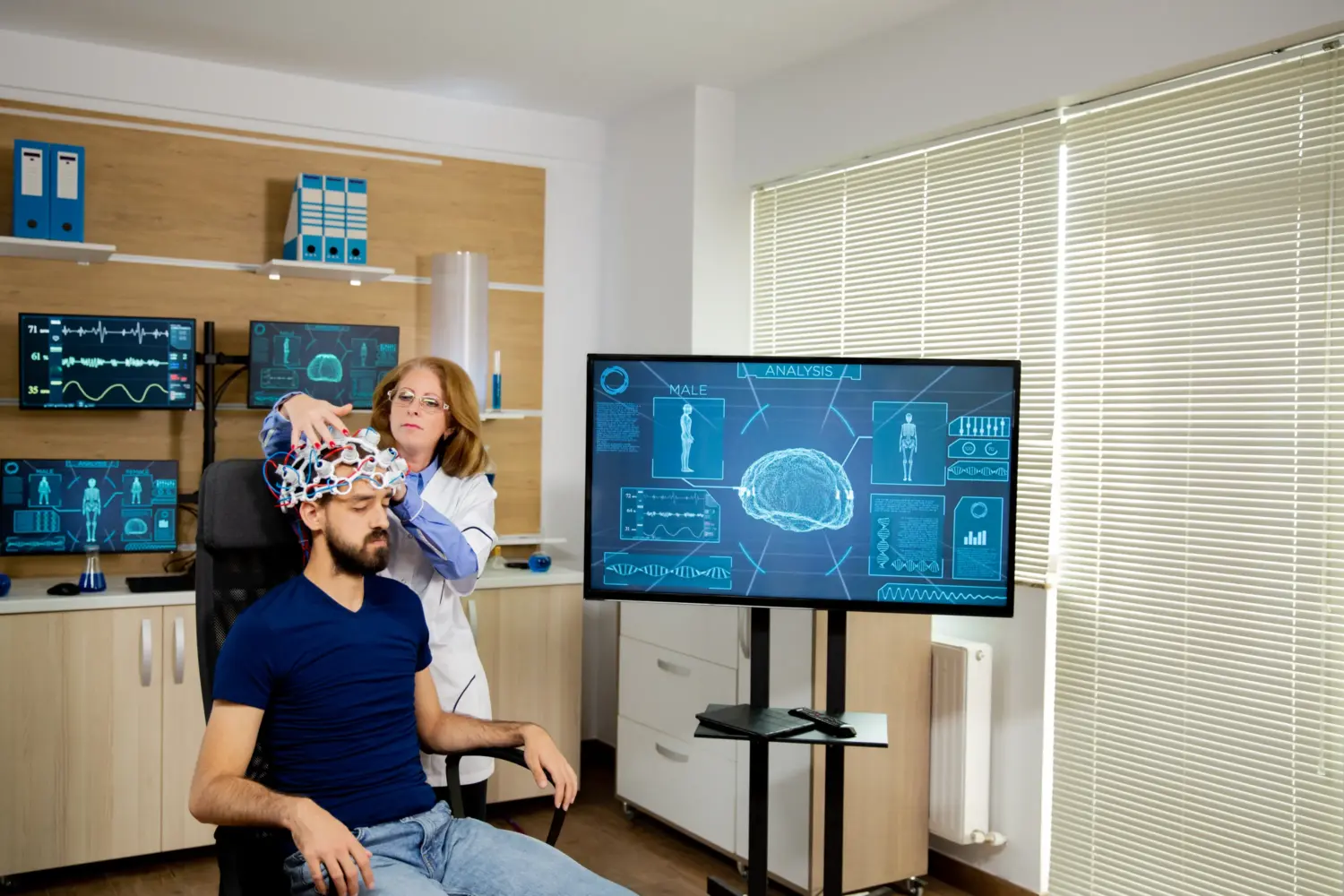
The neurofeedback process begins with the placement of electrodes on the patient’s scalp, which are connected to a device that measures the brain’s electrical activity. This activity is displayed on a screen in real time, allowing the patient to observe how their brain patterns change in response to different stimuli or exercises.
The software used in neurofeedback provides immediate feedback, which can be visual, auditory, or both, depending on the system used. For example, if the goal is to reduce anxiety, the patient might see an animation that becomes more stable as their brain waves adjust to a calmer pattern. Over time and with practice, the brain learns to replicate these positive patterns, thereby improving emotional regulation and overall well-being.
Benefits of Neurofeedback
Neurofeedback has been shown to be effective in the treatment and management of various conditions, such as:
- Anxiety and Stress:
- It helps regulate the brain waves associated with anxiety, promoting a calmer and more balanced state of mind.
- Sleep Disorders:
- By training the brain to achieve healthier patterns of activity, neurofeedback can improve sleep quality and help combat insomnia.
- Attention-Deficit/Hyperactivity Disorder (ADHD):
- This approach has shown promising results in improving attention and reducing impulsivity in people with ADHD.
- Cognitive Performance:
- Professionals, athletes, and students can use neurofeedback to optimize their concentration, memory, and decision-making skills.
- Chronic Pain Management:
- Neurofeedback can help people change their perception of pain, reducing its intensity and improving their quality of life.
Is Neurofeedback Right for You?
Neurofeedback is a viable option for many people seeking to improve their mental health and brain function. While it is not a miracle cure, studies have shown that, with time and practice, it can lead to significant and sustainable improvements. Before starting neurofeedback, it’s important to consult with a specialized professional who can assess your specific situation and determine whether this technique is right for you.
Neurofeedback is a powerful tool that, when used correctly, can transform your life by improving the way your brain functions. Whether you’re looking to relieve anxiety, improve your concentration, or simply optimize your overall well-being, neurofeedback offers a personalized, science-based approach to help you achieve your goals.
Interested in trying neurofeedback?
At Neuroterapia, we offer personalized neurofeedback sessions using state-of-the-art technology.
Contact us today to schedule a free consultation and find out how we can help you improve your life through neurofeedback.